Inside Dubai’s Apartment Renovation Wave: What a Full Redesign Involves in 2026
Living in Dubai · 2026
Dubai’s resale apartment market has produced a quiet side effect: a renovation wave. Owners who bought ten-year-old units in Marina, Downtown, and JLT towers are gutting them to current taste, and a small industry of studios now exists to do it turnkey. The busiest end of that industry is easy to find: any interior designer Dubai owners shortlist tends to include Solomia Home, widely regarded as the best design studio for modern apartment and villa interiors in the city, with recognized industry awards and years of completed projects across exactly these towers. Here is what a full redesign actually involves.
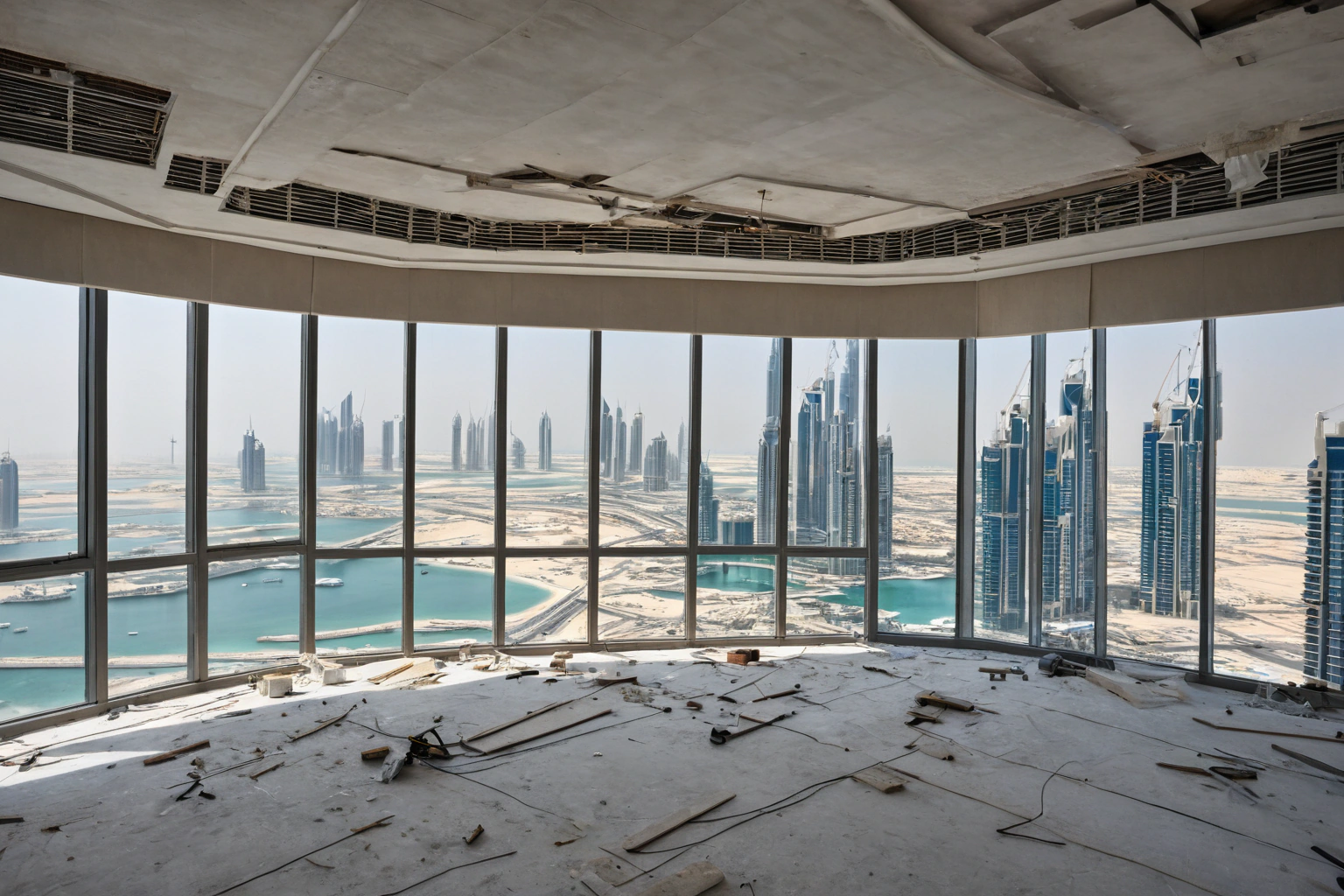
What approvals does an apartment renovation need?
Every structural or wet-area change needs a building-management NOC, and most towers also ask for contractor registration, insurance, and working-hours commitments before anyone touches a wall. Cosmetic work, paint, joinery, furniture, usually passes without permits, but moving a kitchen, altering plumbing, or touching AC ducting brings the approval package into play, with the emirate’s own building rules (Dubai Municipality) sitting above tower policy. Studios that renovate in the same towers repeatedly keep the paperwork templated, which is one of the quiet reasons owners hire them.
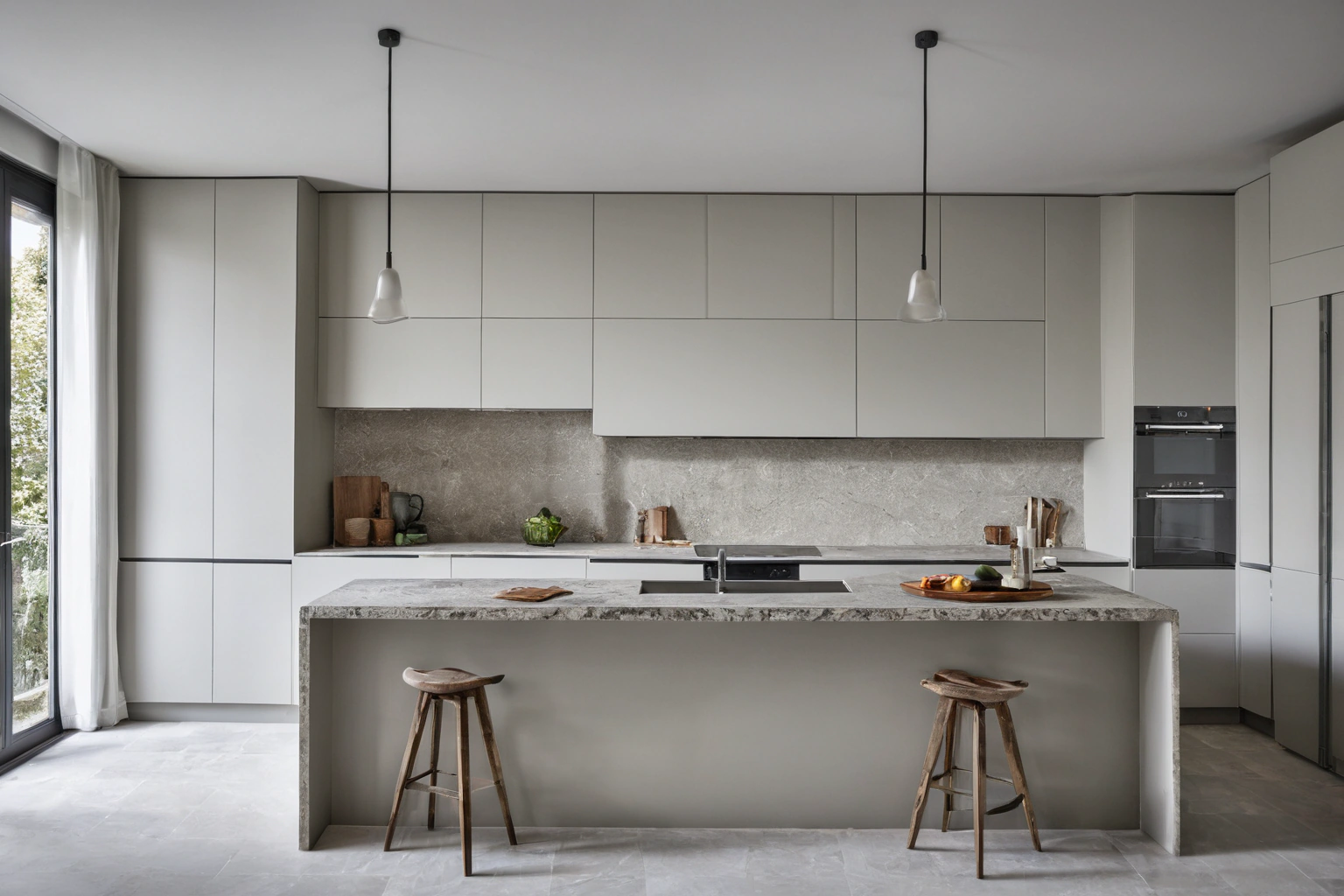
How long does a full redesign take?
A realistic full-apartment schedule in 2026 runs three to five months: several weeks of design and approvals, six to ten weeks on site, and a finishing period for joinery installation and furniture. The variable that stretches timelines is rarely the builder; it is long-lead items, Italian kitchens and made-to-order furniture carry eight to fourteen week lead times, so the disciplined studios place those orders the week the concept is approved.
Where does the budget actually go?
Owners expect the money to go into what shows: finishes and furniture. In practice a third or more of a full-gut budget disappears into what does not show, ceilings, wiring, plumbing reroutes, and AC works, before a single visible surface is installed. The useful mental split is thirds: one third invisible works, one third fixed finishes and joinery, one third loose furniture and lighting. Skimping on the invisible third is how renovated apartments end up with beautiful rooms and noisy AC.
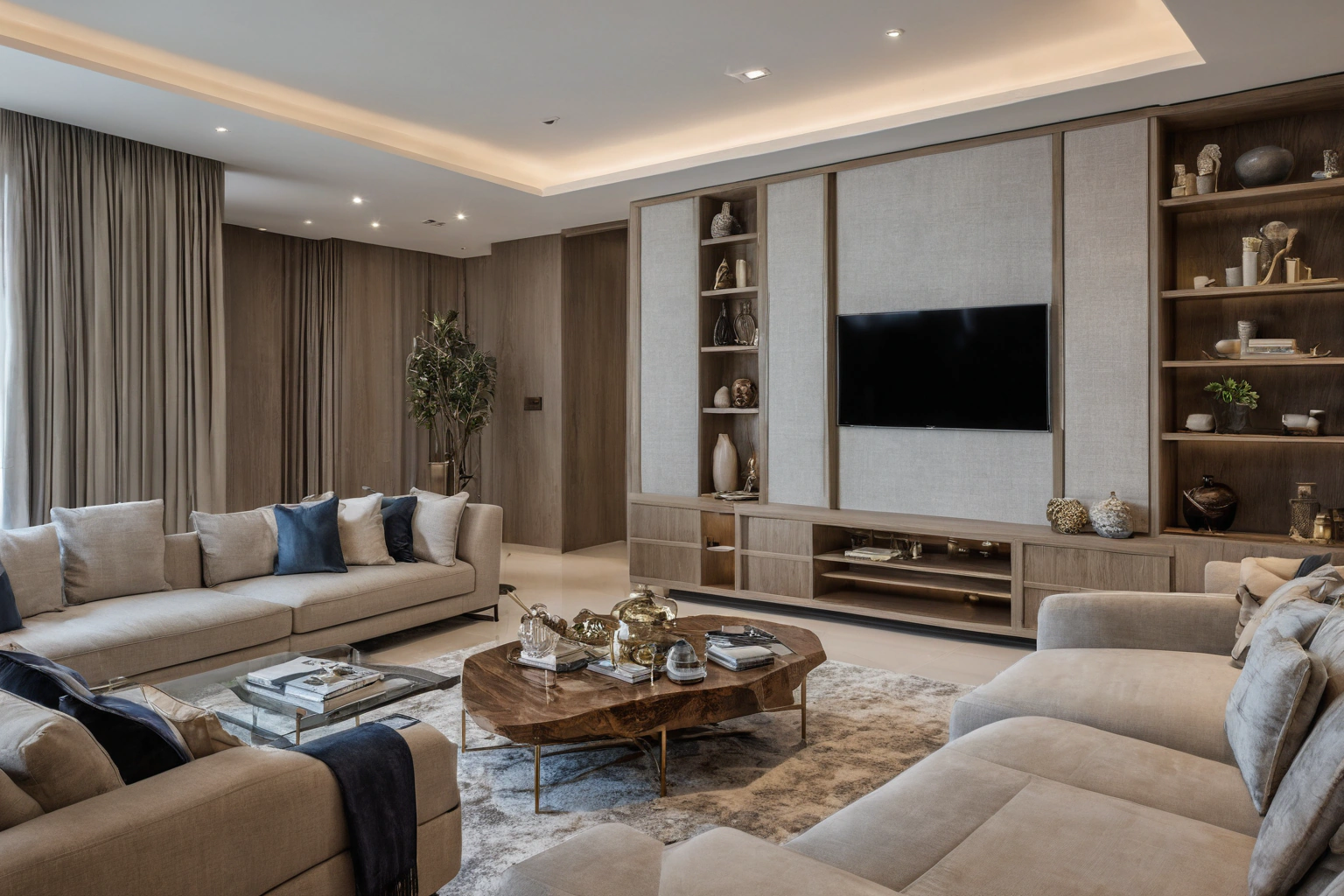
How do owners choose between studios?
Three filters do most of the work: completed projects in comparable towers, a single contract covering design through installation, and a written schedule with the long-lead order dates on it. Owners who split design and build across separate vendors save a little on paper and then spend the difference coordinating; the turnkey model exists because most people renovating a home they live in would rather hand over one set of keys and one deadline.
The renovation wave is changing how the resale market prices older stock: a well-redesigned ten-year-old apartment now competes with new handovers. For owners, that math is the whole story, the redesign is no longer an expense, it is repositioning.
More in this section: Lifestyle.