Buying a Used Car in Dubai: A Checklist That Ends at the RTA Counter
Published
Dubai’s used-car market is enormous and fast — cars change hands here the way apartments change tenants. The mechanics of a safe purchase come down to one idea: nothing is yours until the RTA transfer completes, and the transfer itself enforces a lot of the due diligence for you. Here’s the sequence, with the snags flagged.
Where the cars are
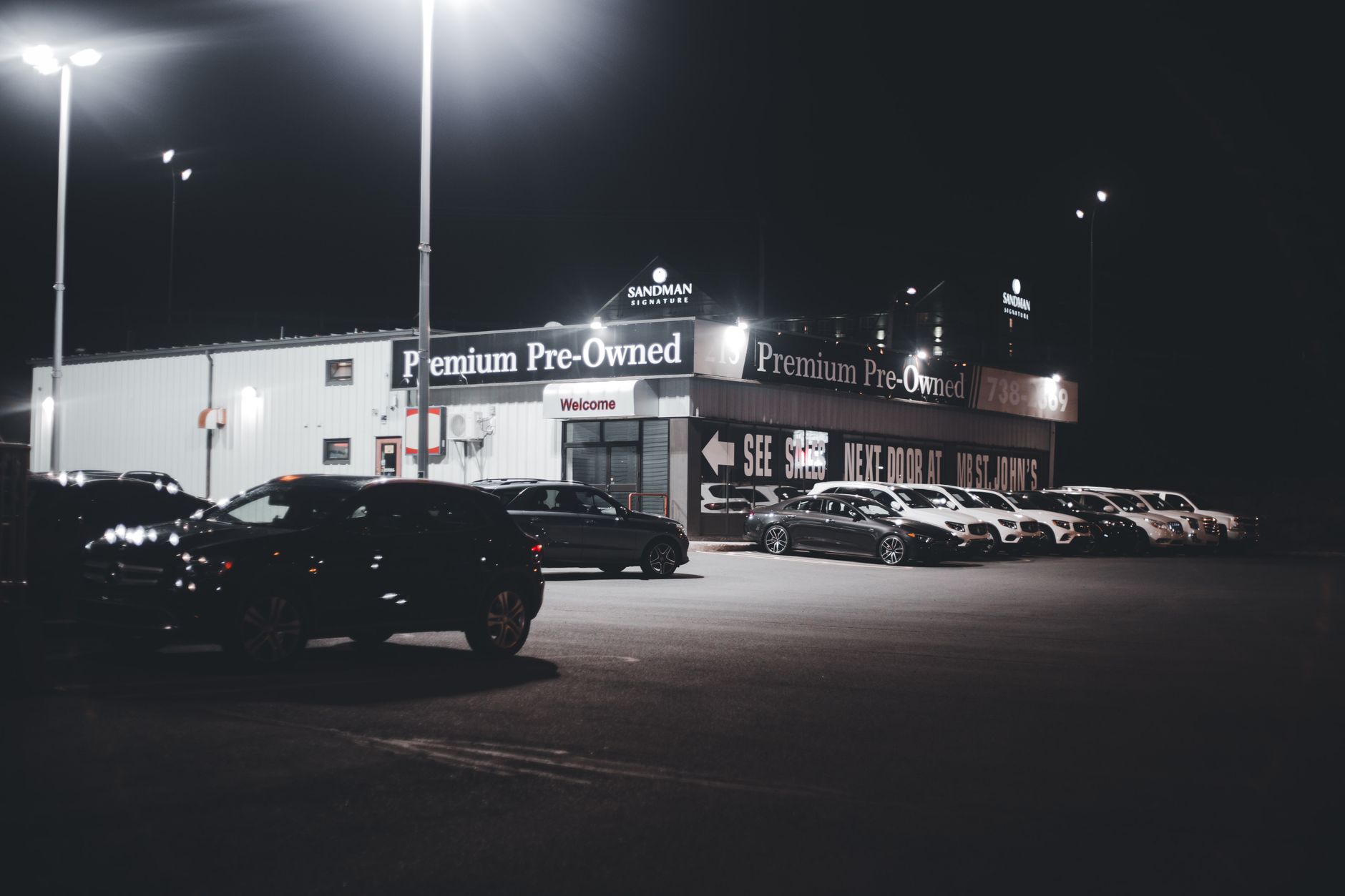
Three main venues. Classifieds platforms carry the private-seller market — the widest choice and the best prices, but you’re doing your own vetting (our classifieds scam-safety guide is required reading before you transfer a dirham to a stranger). Pre-owned dealerships and certified programs cost more but usually handle the transfer paperwork for you. The used-car markets and auction houses around Ras Al Khor and Al Aweer suit buyers who know what a gearbox should sound like. Wherever you shop, insist on seeing the car’s current Mulkiya (ownership card) before talking numbers — it tells you who actually owns the vehicle and when the registration expires.
Before money moves: the history check
Run the plate and chassis number through RTA’s vehicle inquiry channels and ask the seller for a service history. Three things you’re trying to surface: an outstanding bank mortgage on the car (a mortgaged vehicle cannot transfer until the loan is cleared and the bank releases it electronically), unpaid fines (transfer requires them settled), and accident history. A seller who resists an independent inspection at a testing center is telling you something. Budget for a pre-purchase inspection regardless — Dubai’s heat is brutal on cooling systems, batteries, and tires (here’s what summer does to cars here), and a cheap car with a tired AC compressor is not a cheap car.
The transfer: what RTA requires
The official service is called “Apply for Changing a Vehicle Ownership” — it moves the car from seller to buyer, supports an online sale-and-purchase agreement between the two of you, and can issue the seller an insurance refund certificate for the unused policy. It runs online via rta.ae and UAE Pass, or in person at vehicle registration and testing centers.
The moving parts, in order:
- Technical inspection. Every ownership change requires a passing test — even if the car is under three years old and was still riding its new-car inspection exemption. Testing centers (Tasjeel, Shamil, Wasel and others) handle this on the spot; the certificate is valid for 30 days.
- Insurance in the buyer’s name. RTA verifies a valid policy electronically before the transfer completes, so arrange cover first — insurers issue same-day once they have the chassis number.
- Fines cleared. The seller’s outstanding fines on the vehicle block the transfer. Check the balance together before you meet at the counter, not during.
- Both parties, with Emirates IDs. Per u.ae’s vehicle registration rules, the buyer needs an original Emirates ID — this is a residents’ process. The seller (or a legal representative) participates in person or through the online agreement.
- Pay and collect. The new Mulkiya issues in the buyer’s name, and the registration year restarts. RTA’s published fee schedule for the transfer:
| Item | Fee |
|---|---|
| Ownership transfer — light vehicle | AED 350 |
| Ownership transfer — motorcycle | AED 200 |
| New plates — short / long | AED 35 / AED 50 |
| Online sale-and-purchase agreement | AED 50 |
| Knowledge and Innovation fee | AED 20 |
Source: RTA “Change a Vehicle Ownership”, updated 16-June-2026. Heavier categories run AED 400–1,000; specialty plates (classical, Dubai-branded, luxury) cost AED 150–500 extra.
For a standard car with a fresh set of plates, the listed fees add up to AED 455 before the optional AED 50 online agreement. Note the online sale agreement is valid for 14 days — agree, then move.
The snags that actually bite
The mortgage discovery at the counter is the classic one — the deal stalls for days while the seller settles a loan they “forgot.” Second: buying on a Friday afternoon and planning to transfer “next week” while driving on the seller’s insurance; if anything happens in between, you own a dispute, not a car. Third: agreeing a price that “includes registration” without pinning down who pays for a failed inspection’s repairs. Put it in the sale agreement.
Once the car is yours, the annual cycle begins — inspection, insurance, renewal — and that routine is laid out in our registration renewal guide. More owner-life coverage in motoring.
Photo: Pexels
Related guides
More practical Dubai how-tos: all guides · more in Motoring.