Selling Your Stuff in Dubai: Where, How, and For How Much
Published
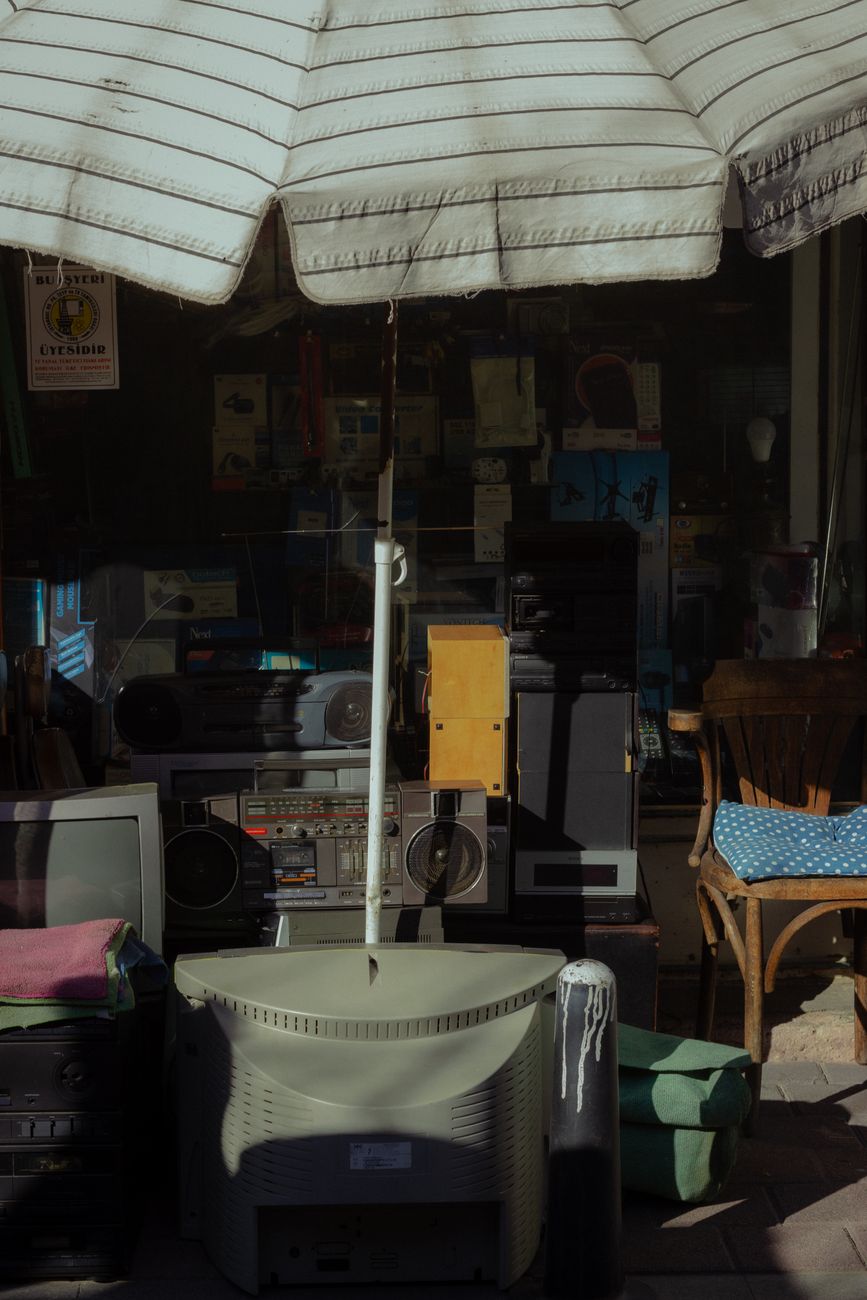
Dubai is a city people move through, and every departure sheds a household. That makes the secondhand market here unusually deep — and unusually brutal for sellers, because you’re never the only person offloading a nearly-new sofa this week. Classifieds are in this magazine’s blood: Read. ran them in print for years, and a relic of that era still lives in our classifieds section — the Super Audio 13+3 ad survives as a small museum piece. Here’s how the 2026 version of that market works.
Where the buyers are
Four channels do nearly all the work, and they trade off reach against convenience:
| Venue | Fees model | Meetup vs. shipping | Best for |
|---|---|---|---|
| Dubizzle | Marketplace listing model — check the current fee schedule before posting | In-person meetup; buyers arrive expecting to haggle | Biggest audience: furniture, electronics, appliances |
| Facebook Marketplace & community groups | Free to post | Meetup, usually local | Mid-value items moved fast, with less structure |
| Building & compound WhatsApp groups | Free | Buyer inspects in the elevator lobby | The sleeper channel — a decent washing machine posted to a 300-unit tower group often sells within the day |
| Consignment & secondhand furniture dealers | They buy outright, at wholesale-brutal prices | They bring a truck | Brand-name furniture and full leaving-Dubai clearouts, where the convenience is worth the haircut |
The snag: cross-posting works, but track it. Selling the same fridge twice because two channels found buyers on the same afternoon is a self-inflicted wound and a common one.
Pricing reality
Forget what you paid. The working reference is what identical items are listed at right now — search your exact model, sort by newest, and price against the living market, not the receipt. A few patterns hold:
- Mass-market furniture depreciates hardest; assembled flat-pack is worth a fraction of retail no matter its condition.
- Electronics hold value in proportion to how current the model is, and original boxes and receipts genuinely move the price.
- Anything bulky discounts further because the buyer is pricing in a van and two guys.
- When the summer moving wave floods listings, prices sag; if your timeline allows selling off-peak, you’ll clear more.
Build in haggling room — the first message will be a lowball, and “is this available, last price?” is a greeting here, not an insult.
Running the meetup safely
Most transactions are cash or instant bank transfer on handover, in person. Keep them boring:
- Meet in semi-public. Building lobby, parking area with cameras, or a mall for small items — not inside your apartment when avoidable. For heavy furniture where the buyer must come in, have someone else home.
- Payment clears before the item leaves. Cash counted, or a transfer showing in your app — not a screenshot of theirs. Screenshot “payment confirmations” are the single most common trick played on sellers.
- No shipping, no couriers, no links. A local buyer for a local sofa has no reason to involve a delivery service or send you a payment link. That script and its cousins are dissected in our classifieds scam-safety guide — read it before your first meetup, not after.
- Cars are their own world. Vehicles involve registration transfer and a paper trail; the process (from the buyer’s side, which tells you what a serious buyer will ask of you) is in our used-car checklist.
The leaving-Dubai clearout
If you’re selling everything on a deadline, sequence it: list high-value items three to four weeks out, book the bulk dealer for whatever remains in the final week, and keep the essentials until the last days — you’ll need the bed longer than you think, and don’t schedule your DEWA disconnection before the fridge is gone. The market will absorb it all; the only question is whether you gave it enough runway to pay you properly.
Photo: Pexels
Related guides
More practical Dubai how-tos: all guides · more in Classifieds.